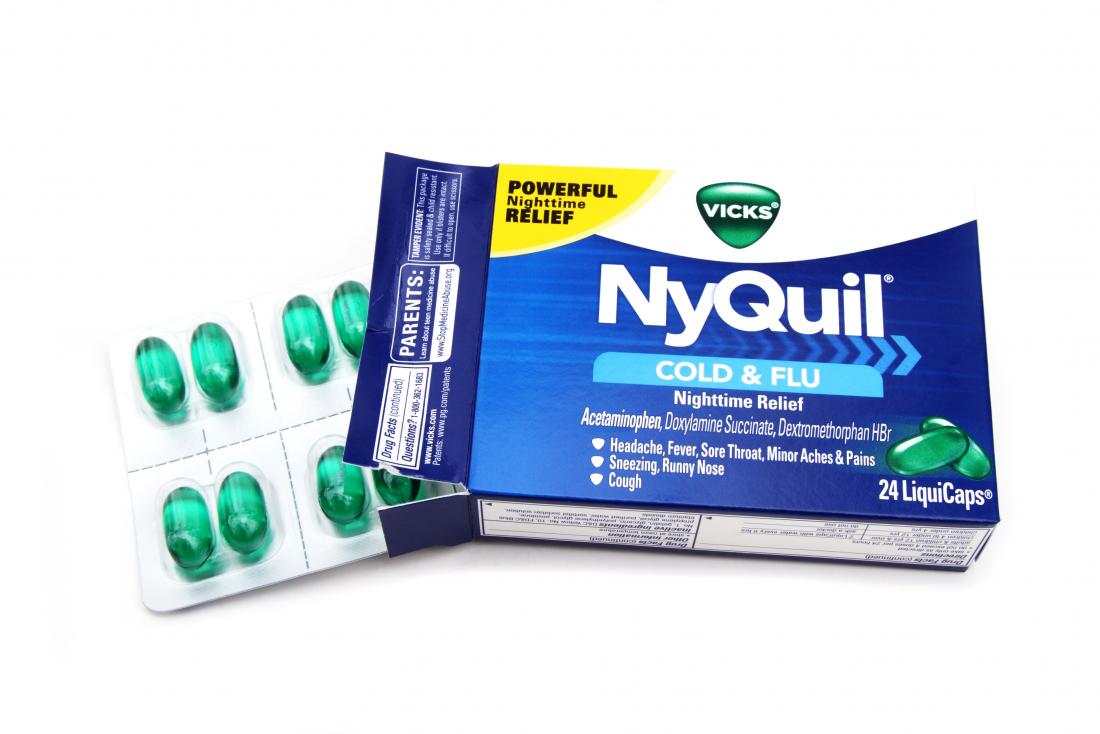
Nyquil is a popular over-the-counter medication widely used to relieve cold and flu symptoms, providing much-needed relief to individuals seeking comfort during illness. One of the most common questions about Nyquil is how long it takes for the medication to take effect. In this comprehensive article, we will explore the how long does it take for nyquill to kick in, the typical timeframe for it to kick in, and essential considerations when using this medication.
Understanding Nyquil
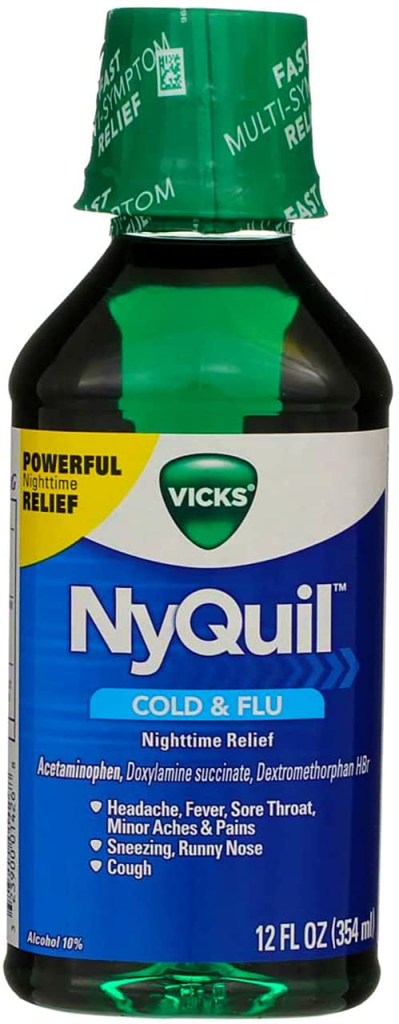
Nyquil is a brand name for a combination of over-the-counter cold and flu medications produced by Vicks. It typically contains active ingredients such as acetaminophen (a pain reliever and fever reducer), dextromethorphan (a cough suppressant), and doxylamine succinate (an antihistamine with sedative effects). These components work synergistically to alleviate symptoms like cough, congestion, fever, and sore throat.
Factors Influencing Onset of Action
Several factors can affect how quickly Nyquil takes effect:
1. Metabolism
Individual differences in metabolism can influence how fast the body processes and absorbs the medication’s active ingredients. People with faster metabolism may experience the effects sooner than those with slower metabolism.
2. Body Weight
Body weight can also play a role in the onset of action. Generally, individuals with higher body weight may require a slightly longer time to experience the full effects of Nyquil.
3. Empty Stomach vs. Full Stomach
Taking Nyquil on an empty stomach may lead to faster absorption and onset of action. Conversely, if taken with food, it may take a bit longer for the medication to kick in.
4. Individual Response
Each person’s body may respond differently to medications. Some individuals may feel the effects of Nyquil sooner, while others might take a bit longer.
Typical Timeframe for Nyquil to Take Effect
In most cases, Nyquil begins to take effect within 20 to 30 minutes after ingestion. The antihistamine component, doxylamine succinate, can cause drowsiness, which is why Nyquil is often recommended for nighttime use to aid in restful sleep during illness. The maximum effects of Nyquil are typically reached within 1 to 2 hours after ingestion.
Considerations When Using Nyquil
While Nyquil can provide effective relief from cold and flu symptoms, it’s crucial to use it responsibly and as directed. Consider the following:
1. Dosage
Always follow the recommended dosage instructions provided on the Nyquil packaging. Taking more than the recommended dose can lead to adverse effects and is not advisable.
2. Nighttime Use
Due to its sedative effects, Nyquil is best used at bedtime to avoid drowsiness during daytime activities.
3. Caution with Other Medications
Check the ingredients of other medications you may be taking to avoid unintentional double dosing of active ingredients found in Nyquil.
4. Avoid Alcohol
Do not consume alcohol while taking Nyquil, as it can exacerbate the sedative effects and increase the risk of adverse reactions.
5. Consult a Healthcare Professional
If you have any underlying health conditions or are taking other medications, it’s essential to consult a healthcare professional before using Nyquil.
Conclusion
Nyquil is a reliable and effective over-the-counter medication for providing relief from cold and flu symptoms. While individual response time may vary, Nyquil generally takes effect within 20 to 30 minutes of ingestion, with maximum effects reached within 1 to 2 hours. To ensure safe and effective use, follow the recommended dosage, use it at bedtime, and consult a healthcare professional if needed.
As with any medication, responsible usage is essential, and if symptoms persist or worsen, seek medical advice promptly. Always prioritize your health and well-being, and remember that rest and proper self-care are crucial elements of recovering from illness.