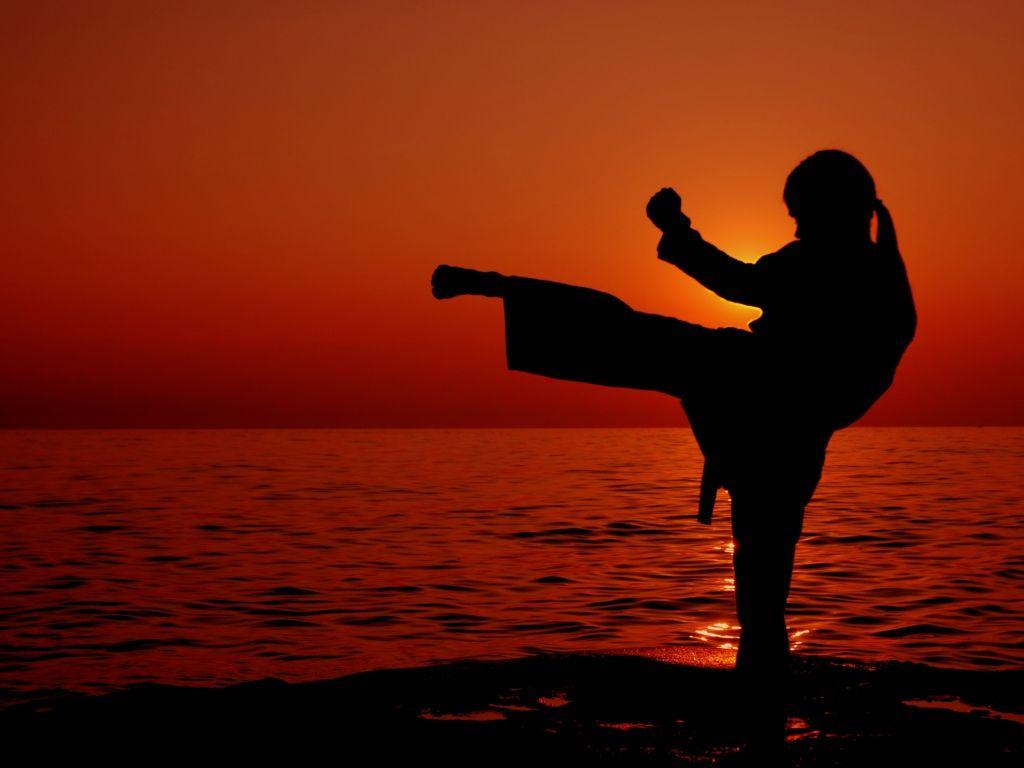
Martial arts have a rich and intriguing history that dates back centuries, originating from various regions across the globe. With its roots deeply embedded in cultures around the world, martial arts have evolved into a diverse array of combat practices, each characterized by unique techniques, philosophies, and principles. From ancient disciplines like kung fu and karate to more modern forms such as Brazilian Jiu-Jitsu and Muay Thai, martial arts encompass a wide range of styles, making it a fascinating subject of study for enthusiasts and practitioners alike.
Not only serving as an effective means of self-defense, martial arts also offer profound mental and physical benefits. The practice of martial arts promotes discipline, focus, and personal growth while improving strength, flexibility, and overall fitness. Moreover, it instills important values like respect, perseverance, and humility in individuals who undertake its diligent practice. As martial arts continue to captivate the interest of people worldwide, exploring its history, techniques, health benefits, and cultural significance becomes an essential pursuit that reveals the depth and beauty of these ancient combat disciplines.
The History of Martial Arts
The history of martial arts is a fascinating journey that takes us back in time to ancient civilizations and their unique combat practices. From the ancient Greeks’ “pankration” to the Chinese art of kung fu, martial arts have been utilized by different cultures as a means of self-defense, warfare, and personal development. The origins of martial arts can be traced back thousands of years, with various countries and regions contributing to its growth and evolution.
One significant aspect of the history of martial arts is the role they played in shaping a nation’s culture and identity. In many societies, martial arts were not only seen as a way to protect oneself but also as a way to uphold important values and traditions. For example, in the samurai culture of Japan, martial arts like kenjutsu and kendo were deeply intertwined with concepts such as honor, loyalty, and respect. Similarly, in Brazil, the art of capoeira emerged as a form of resistance against oppression during the country’s colonial period.
martial arts have also experienced significant influence from philosophical teachings. In ancient China, the philosophy of Taoism heavily influenced martial arts practitioners, emphasizing harmony with nature, balance, and fluidity of movement. On the other hand, in India, disciplines such as yoga and meditation were incorporated into martial arts training to cultivate focus and inner peace.
The Benefits of Martial Arts
Martial arts offer numerous physical and mental health benefits for individuals who engage in regular practice. One clear advantage is the improvement of physical fitness. The rigorous training routines involved in martial arts help to build strength, endurance, agility, and flexibility. Whether it is practicing kicks in taekwondo or grappling techniques in Brazilian Jiu-Jitsu, martial arts provide a full-body workout that enhances cardiovascular health and builds lean muscle.
Beyond physical fitness, martial arts promote mental clarity and well-being. The discipline required in martial arts training fosters focus, concentration, and self-discipline. Through repetitive practice of techniques and forms, practitioners develop a strong sense of dedication and perseverance. This mental fortitude can also be applied to other aspects of life, such as work or academics. Additionally, martial arts training instills important values like respect, humility, and empathy towards others. These values contribute to personal growth and character development, making martial arts not just a physical activity, but a transformative journey.
In conclusion, martial arts offer a captivating blend of history, technique, and philosophy that continues to captivate enthusiasts and practitioners around the world. With its roots in various cultures and civilizations, martial arts have not only served as a means of self-defense but also as a way to uphold important values and traditions. The practice of martial arts provides physical fitness benefits, improving strength, flexibility, and overall health. Additionally, the mental and emotional benefits include increased focus, discipline, perseverance, and the development of important values such as respect and humility. As we delve deeper into the study of martial arts, we uncover the richness and beauty of these ancient combat disciplines that have stood the test of time.