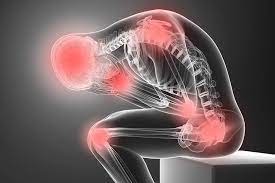
Pain management is an essential aspect of healthcare, as it plays a vital role in enhancing patient comfort, improving quality of life, and promoting overall well-being. Pain, whether acute or chronic, is a common symptom experienced by individuals across various age groups and medical conditions. It can significantly impact an individual’s physical and psychological health, making it imperative to address and manage pain effectively.
Pain management encompasses a wide range of approaches and techniques aimed at reducing or alleviating pain. These may include pharmacological interventions, such as medication and anesthesia, as well as non-pharmacological methods like physical therapy, alternative medicine, and psychological interventions. The goal of pain management is not only to provide relief but also to assist patients in regaining functional ability and minimizing the impact of pain on their daily lives. Effective pain management requires a comprehensive understanding of the underlying causes and mechanisms of pain, as well as an individualized treatment approach that considers the unique needs and preferences of each patient.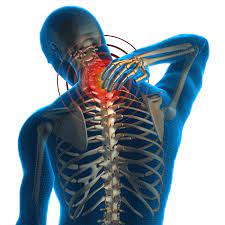
A comprehensive approach to pain management is crucial for improving the quality of life for individuals suffering from chronic pain. This approach involves addressing the physical, psychological, and emotional aspects of pain to provide holistic care. Physical therapy, medication management, and alternative therapies such as acupuncture or chiropractic care are commonly used to address the physical component of pain management. Additionally, psychological interventions like cognitive behavioral therapy or counseling can help individuals cope with the emotional and mental toll of chronic pain. By taking a comprehensive approach, healthcare providers can tailor treatment plans to meet the unique needs of each individual, improving their overall well-being and functionality.
The use of medication is a common component of a comprehensive approach to pain management. However, it is important to approach medication management with caution to prevent the risks of addiction and dependency. Healthcare providers must assess the patient’s pain levels, medical history, and potential drug interactions before prescribing any medication. Non-opioid medications such as nonsteroidal anti-inflammatory drugs (NSAIDs) or antidepressants may be recommended, along with lifestyle changes and other non-pharmacological interventions to provide effective pain relief. To learn more about a comprehensive approach to pain management, visit our website.
In conclusion, pain management is a vital aspect of healthcare that aims to alleviate pain, improve patient comfort, and enhance overall well-being. It involves a wide range of approaches, including medication, physical therapy, alternative therapies, and psychological interventions. Taking a comprehensive approach to pain management allows healthcare providers to address the physical, psychological, and emotional aspects of pain, resulting in improved functionality and quality of life for individuals suffering from chronic pain. By carefully considering each patient’s unique needs and preferences, healthcare providers can develop individualized treatment plans that provide effective pain relief while minimizing the risks of addiction and dependency associated with medication use. With a comprehensive approach to pain management, individuals can regain control over their lives and experience improved overall well-being.